Understanding the Science Behind PRF Hair Restoration
Platelet-Rich Fibrin (PRF) hair restoration leverages the body's natural healing properties to stimulate hair growth. By utilizing the patient's own blood, PRF treatment promotes tissue regeneration and enhances hair follicle activity, making it a safe and effective option for those experiencing hair thinning.
The process involves drawing a small amount of blood, which is then centrifuged to separate the PRF from other components. This concentration of platelets and growth factors is rich in proteins that aid in healing and rejuvenation, providing a biological boost to hair follicles and improving overall scalp health.
Benefits of PRF Treatment for Hair Loss
PRF treatment offers numerous benefits for individuals struggling with hair loss, including minimal downtime and natural results. Patients often experience improved hair density and thickness, leading to enhanced self-esteem and confidence in their appearance.
Furthermore, PRF is a minimally invasive procedure with a low risk of side effects, as it uses the patient's own biological material. Many patients report noticeable improvements within a few months, making it a highly sought-after option for effective hair restoration.
What to Expect During Your PRF Treatment Session
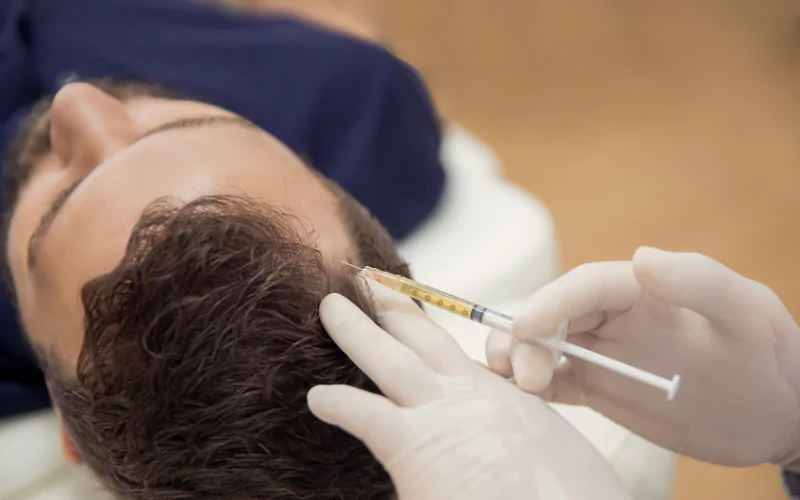
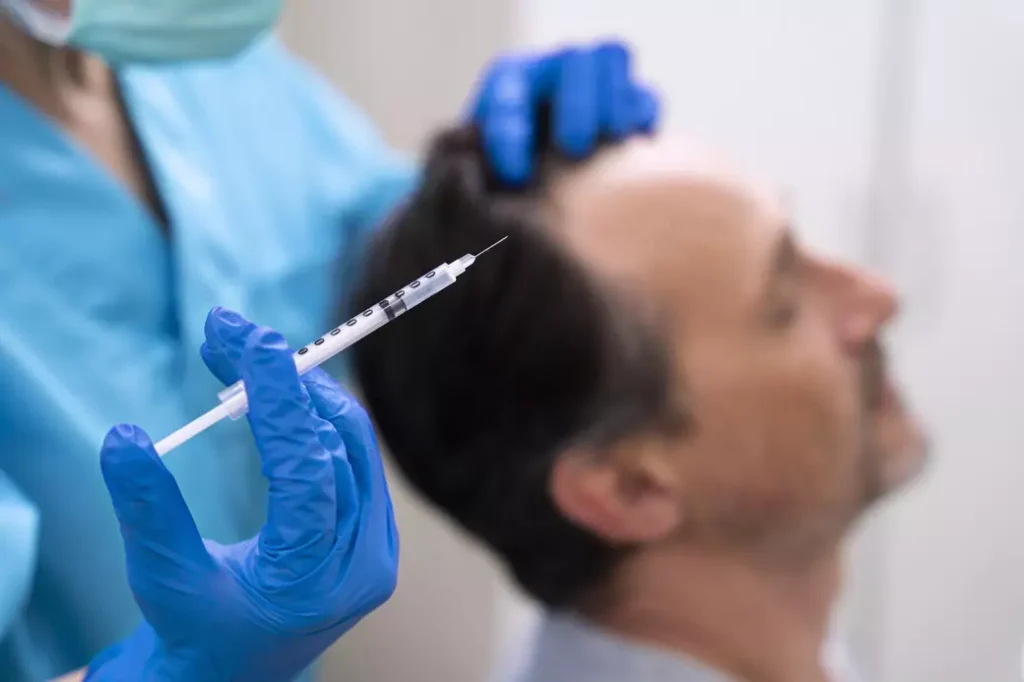
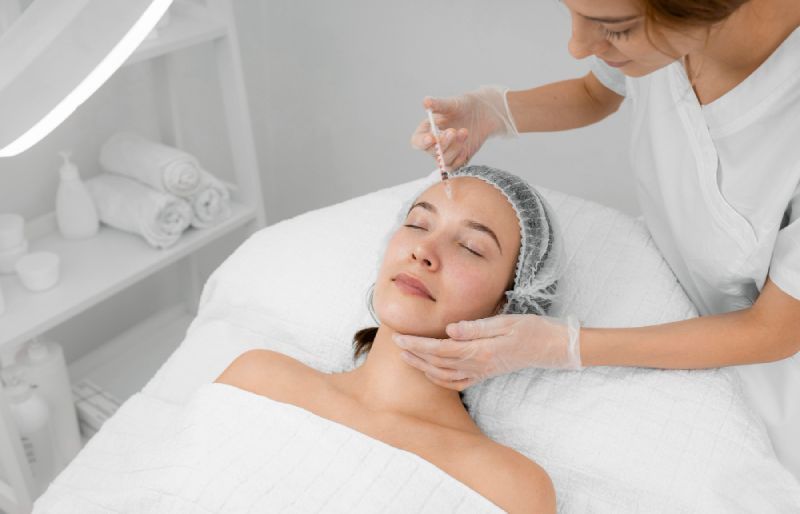
Before undergoing PRF treatment, patients should have a consultation to discuss their hair loss concerns and medical history. During the treatment, the procedure typically lasts about an hour, including preparation and application of the PRF solution to the scalp.
Patients can expect a quick and relatively painless experience, as local anesthesia is often used to minimize discomfort. After the procedure, most individuals can return to their daily activities without significant interruption, although some may experience mild swelling or redness at the injection sites.
Long-Term Care and Maintenance After PRF Treatment
Post-treatment care is crucial for optimizing the results of PRF hair restoration. Patients are advised to avoid strenuous activities and direct sun exposure for a few days following the procedure to allow for proper healing.
Additionally, maintaining a healthy scalp environment through proper hygiene and nutrition can further support hair growth. Regular follow-up appointments may be recommended to monitor progress and determine if additional treatments are necessary to achieve desired results.