

Hair loss is a common problem that affects millions of people worldwide, leading many to seek the best method for hair restoration. Whether due to genetics, medical conditions, or lifestyle factors, the impact of hair loss can significantly affect one’s self-esteem and quality of life.
In this comprehensive guide, we’ll explore the underlying causes of hair loss and discuss the pros and cons of various hair restoration methods. From medications and surgeries to natural remedies and lifestyle changes, we aim to help you understand your options and make an informed decision on the best approach for your situation.
Understanding Hair Loss
Before diving into the various hair restoration methods, it is essential to understand the common causes and types of hair loss. Hair loss, or alopecia, can result from genetic factors, hormonal changes, medical conditions, or lifestyle choices. The most common kind of hair loss is androgenetic alopecia, affecting both men and women.
Common Causes of Hair Loss:
- Genetic factors
- Hormonal changes (such as menopause, pregnancy, or thyroid problems)
- Medical conditions (such as scalp infections, alopecia areata, or trichotillomania)
- Nutritional deficiencies
- Stress
- Harsh hair care practices
5 Popular Hair Restoration Methods
Hair restoration methods vary widely in their approach, efficacy, and cost. They range from medicinal treatments and surgical options to natural remedies and lifestyle changes. Each method addresses hair loss differently, and the best choice depends on individual circumstances, such as the cause of hair loss, budget, and personal preferences. Here, we expand on five popular hair restoration methods:
- Medications: Medications like Minoxidil and Finasteride are cornerstone treatments for hair loss. Minoxidil, a topical solution, works by widening blood vessels in the scalp, which improves hair follicle function and stimulates hair growth. It’s suitable for both men and women. Finasteride, on the other hand, is an oral medication that reduces dihydrotestosterone (DHT) levels, a key contributor to male pattern baldness. It is prescribed only to men. These medications can slow hair loss and, in some cases, stimulate new growth, but they may have side effects and typically require ongoing use to maintain results.
- Hair Transplant Surgery: This surgical approach offers a more permanent solution compared to other methods. Hair transplant practices, such as Follicular Unit Transplantation (FUT) and Follicular Unit Extraction (FUE), involve moving hair follicles from a dense growth area (donor site) to balding areas (recipient site). FUT comprises removing a strip of skin with hair follicles, whereas FUE involves extracting individual hair follicles. Though effective, these procedures can be costly and require recovery time.
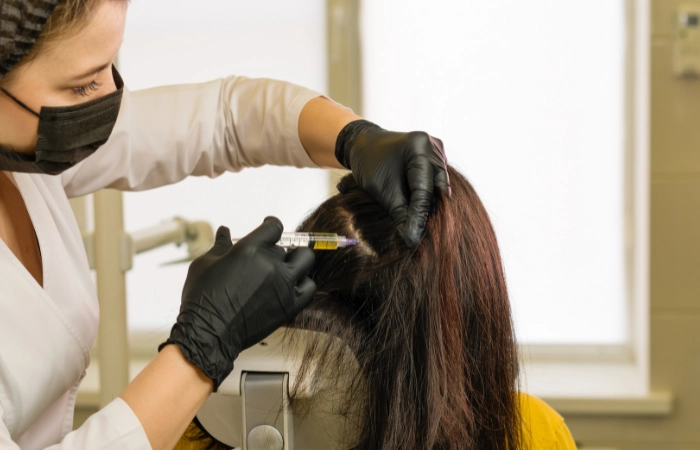
- Platelet-Rich Plasma (PRP) Therapy: PRP therapy is a minimally invasive procedure that utilizes the growth factors in your blood to stimulate hair growth. During the treatment, a small sample of your blood is treated to concentrate the platelets, which are then injected into the scalp. PRP is thought to rejuvenate follicles and enhance hair density. It’s often utilized as a complementary treatment alongside other hair restoration methods.
- Low-Level Laser Therapy (LLLT): LLLT is a form of light therapy that uses clinical-strength laser technology to treat hair loss. Devices used include specialized combs, caps, and helmets that emit red light to prompt hair follicles, increase energy production, and improve hair density. This non-invasive therapy is suitable for home use or professional treatment sessions and is considered safe for both men and women.
- Natural Remedies and Lifestyle Changes: Beyond medical treatments, natural remedies like oils (e.g., rosemary and peppermint), herbal treatments, and scalp massages can improve hair health and reduce loss. Furthermore, a holistic approach involving a balanced diet, routine exercise, and stress management can positively impact overall hair quality. These methods are more preventative and supportive in nature, aiding in maintaining the health of the hair and scalp.
Choosing the Best Method for Hair Restoration
Choosing the best method for hair restoration requires careful consideration of several factors. First, understand the cause and extent of your hair loss; this can significantly influence which treatments will be most effective. Your budget is another crucial aspect, as costs can vary widely from medications and natural remedies to surgical options. Lifestyle preferences and your willingness to undergo invasive procedures or commit to ongoing treatment also play vital roles.
Consulting with a hair restoration specialist is essential for personalized advice and for navigating options based on your specific situation. PRP treatment often stands out due to its minimally invasive nature and potential to enhance hair density, making it a notable option among various treatments. This specialized approach can be particularly appealing if you’re looking for results with less recovery time compared to surgery.
FAQs
Can lifestyle changes actually make a difference in hair restoration?
Lifestyle changes can indeed have a positive impact on hair restoration. Practices such as sustaining a balanced diet, regular exercise, proper hydration, and stress management contribute to overall health and can improve the condition of your hair. While these changes alone may not reverse hair loss, they can support other treatment methods and prevent further loss.
How long does it typically take to see results from hair restoration treatments?
The time frame to see noticeable results from hair restoration treatments varies depending on the method used. For example, medications like Minoxidil may show results in about four to six months, while hair transplant surgery might take up to a year to see full results. Consistency and patience are essential, as hair growth is a gradual process.
Can a hair restoration method be combined for better results?
Yes, combining different hair restoration methods can sometimes lead to better results. For example, using Minoxidil in conjunction with hair transplant surgery or PRP therapy can enhance the overall effectiveness of the treatment. However, it’s important to discuss any combined treatment plans with a specialist to ensure they are safe and suitable for your specific condition.
What should I look for in a hair restoration professional?
When looking for a hair restoration specialist, consider their qualifications, experience, and track history of success. Look for a licensed professional who specializes in treating hair loss and can provide before-and-after photos of their work. It’s also important to choose someone who listens to your concerns and can offer a personalized treatment plan.
Conclusion
While there is no one-size-fits-all solution, understanding your specific situation is crucial in determining the best method for hair restoration. Among various options, PRP therapy stands out due to its effectiveness and minimally invasive nature, offering a solid choice for many.
If you’re seeking a personalized approach to hair restoration, The Anti Aging & Ketamine Center is at your service. With our innovative PRP/PRF Hair Restoration treatments, we aim to meet your individual needs and help you regain confidence. Contact us today to discover how we can assist in your journey to hair recovery.