
how does prp work, PRP Bradenton, PRP Sarasota, Anti Aging Center, Anti Aging & Ketamine Center, Platelet-Rich Plasma, Platelet-Rich Plasma Therapy, PRP Therapy
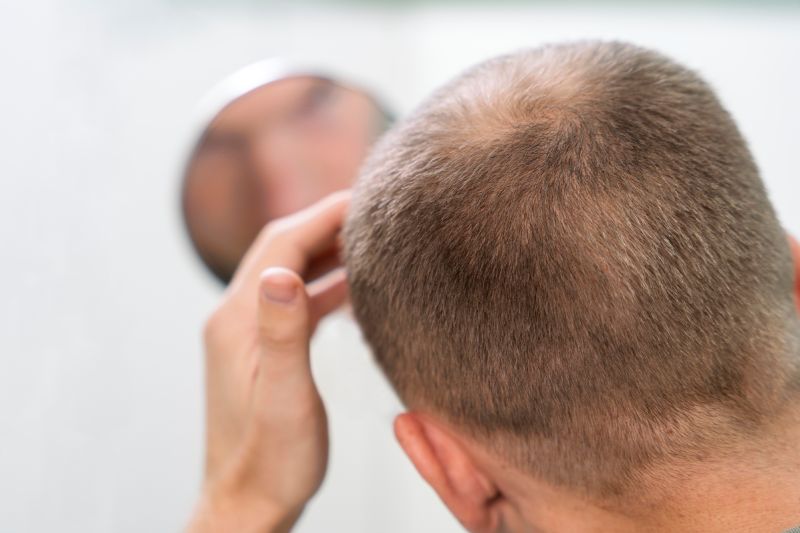
At Anti-Aging and Ketamine Center, we often receive questions from our clients, such as, ” How does PRP work for hair restoration?” Millions of women and men worldwide suffer from hair loss and baldness. Hair loss can lower self-esteem and confidence, and it can be brought on by aging, stress, heredity, or disease. Fortunately, there’s a safe, non-surgical treatment called Platelet-rich plasma (PRP) that effectively stops hair loss. If you are looking for hair restoration treatment, PRP treatment might be the best solution for you. By using the patient’s own blood, platelet-rich plasma treatment strengthens hair follicles and encourages hair growth. Learn more about how PRP works in restoring hair.
How Does PRP Work in Restoring Hair?
Platelet-rich plasma (PRP) therapy has gained attention as a potential treatment for hair loss. Derived from the patient’s own blood, PRP contains growth factors that may stimulate hair follicles, promoting hair growth and thickness. While research on PRP’s efficacy in hair restoration is ongoing, some studies suggest positive outcomes.
PRP injections are thought to increase blood supply to the hair follicles, prolong the growth phase of the hair cycle, and decrease hair shedding. Results vary among individuals, with factors such as the severity of hair loss and underlying causes influencing effectiveness. Combining PRP with exercise, lifestyle change, and proper food nutrition may enhance results. Consulting a qualified healthcare professional can provide personalized advice on whether PRP therapy is suitable for individual hair restoration needs.
PRP benefits include the following:
- Thicker hair regrowth
- Hair loss reduction
- Better scalp blood circulation
- Collagen production
- Hair growth
- Healthier scalp
How Does PRP Work for Hair Restoration?
Before getting a hair loss treatment, it’s important to know how does PRP work exactly. Platelet-rich plasma (PRP) therapy is a medical procedure used for hair restoration and regrowth. While PRP therapy has shown promising results for some individuals in promoting hair regrowth and thickening, its effectiveness can vary from person to person.
If you’re considering PRP for hair restoration, it’s essential to consult with a qualified healthcare provider to determine if PRP therapy is suitable for your specific needs and to discuss potential risks and benefits.
Blood Collection
The procedure starts with collecting a small amount of blood from the patient, typically from their arm.
Centrifugation
The collected blood is then spun in a centrifuge machine to separate its components. This separates the red blood cells, white blood cells, platelets, and plasma.
Extraction of Platelet-Rich Plasma
After centrifugation, the platelet-rich plasma, which contains a higher concentration of platelets than normal blood, is extracted.
Preparation for Injection
Once the PRP is obtained, it’s prepared for injection. Sometimes, additional steps might be taken to activate the platelets, which are believed to enhance their effectiveness.
Injection into the Scalp
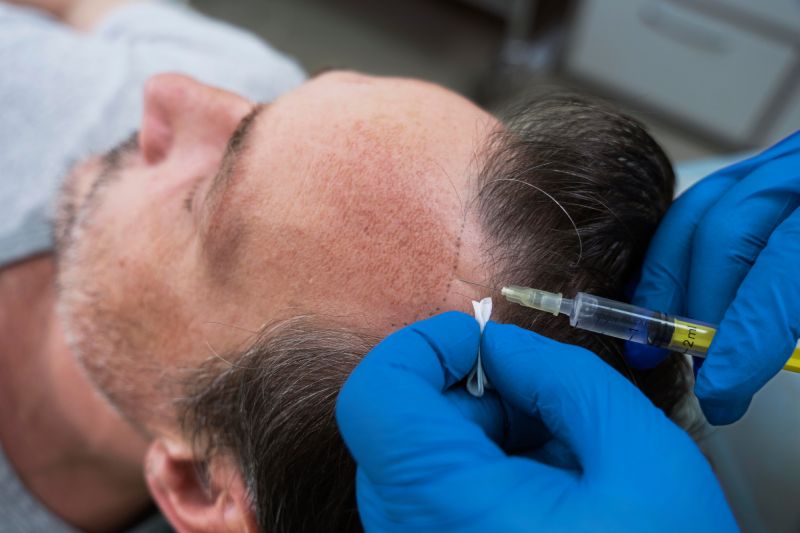
The prepared PRP is then injected directly into the areas of the scalp where hair loss or thinning has occurred. The injections are usually administered by a healthcare professional.
Stimulation of Hair Growth
The growth factors and other bioactive proteins present in the PRP are believed to stimulate natural hair growth by promoting the proliferation of hair follicles, increasing blood supply to the follicles, and prolonging the growth phase of the hair cycle.
Multiple Sessions
PRP therapy is typically done as a series of treatments spaced several weeks apart. The number of sessions required varies depending on the individual’s response to the treatment and the severity of their hair loss.
Maintenance Sessions
After the initial series of treatments, maintenance sessions may be recommended at intervals to sustain the results achieved.
how does prp work, PRP Bradenton, PRP Sarasota, Anti Aging Center, Anti Aging & Ketamine Center, Platelet-Rich Plasma, Platelet-Rich Plasma Therapy, PRP Therapy
Frequently Asked Questions
How does PRP therapy work to promote hair growth?
PRP contains growth factors and other bioactive proteins that stimulate the proliferation of hair follicles, increase blood supply to the follicles, and prolong the growth phase of the hair cycle, ultimately improving hair density and thickness.
Is PRP therapy effective for all types of hair loss?
PRP therapy is most effective for individuals experiencing early stages of hair loss or thinning, particularly in cases of androgenetic alopecia (genetic hair loss) or alopecia areata (patchy hair loss). It may not be as effective for advanced stages of baldness, where hair follicles have completely ceased functioning.
How many PRP sessions are needed for visible results?
The number of PRP sessions needed can vary depending on individual factors such as the extent of hair loss, response to treatment, and desired outcomes. Generally, a series of 3 to 4 sessions spaced 4 to 6 weeks apart is recommended for initial treatment, followed by maintenance sessions as needed.
Is PRP therapy painful?
Discomfort during PRP therapy is typically minimal. Before the injections, a topical anesthetic may be applied to the scalp to numb the area and minimize any discomfort. Some individuals may experience mild soreness or swelling at the injection sites following the procedure, but this usually subsides within a few days.
When can I expect to see results from PRP therapy?
Visible improvements in hair density and thickness may start to become noticeable within a few months after starting PRP therapy. However, individual responses can vary, and it may take several months of treatment before significant results are achieved. Consistency with treatment and following recommended protocols are key to optimal outcomes.
Conclusion
You are not alone if you are losing hair; millions of Americans deal with this issue each year. Given that many patients have strong emotional ties to their hair and that balding may bring the worst aspect of normal aging, hair loss can be quite upsetting. Make an appointment for your first consultation with our board-certified healthcare experts to find out more about PRP therapy for hair loss. Contact us today.