

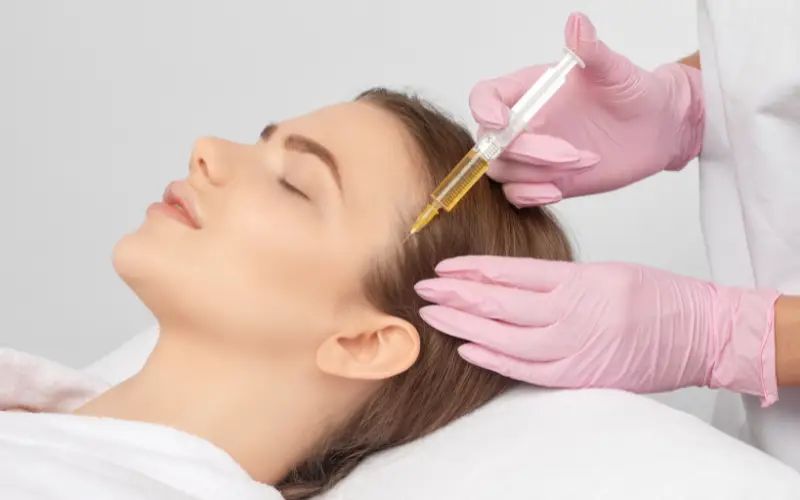
The success rate of PRP hair treatment has gained attention for its ability to restore hair growth and thickness in individuals experiencing hair loss. In simple terms, PRP (platelet-rich plasma) works by harnessing the healing power of your own blood to rejuvenate hair follicles and stimulate growth. While the results can vary, many people report positive outcomes, especially when the treatment is done in the early stages of hair loss.
In this article, we’ll dive into what you can expect from PRP hair treatment, including factors that affect its success and answers to common questions. If you’re considering PRP for hair restoration, understanding these key points can help set realistic expectations and guide your decision-making.
What Is the Success Rate of PRP Hair Treatment?
The success rate of PRP hair treatment generally reports positive outcomes for most individuals, although results can vary. Success rates typically range from 70-80%, with some studies showing even higher outcomes. PRP tends to be most effective in the early stages of hair loss, especially when hair follicles are still active. The treatment works by stimulating growth factors within the plasma to rejuvenate hair follicles, resulting in improved hair growth and thickness. However, individual factors like age, health, and stage of hair loss can impact overall success.
Factors Affecting the Success Rate of PRP Hair Treatment
There are several key factors that can affect the success rate of PRP hair treatment. Each plays a crucial part in determining how well the treatment will work for individual patients. Below are six important factors to consider:
1. Stage of Hair Loss
The effectiveness of PRP hair treatment is higher when administered during the early stages of hair loss. In cases where hair follicles are still active, PRP can stimulate regrowth and improve hair density. However, if hair loss has progressed to the point where follicles are inactive or dormant, results may be less pronounced. Early intervention tends to yield better outcomes, making it crucial to seek treatment as soon as signs of thinning or shedding appear.
2. Frequency of Treatments
The success of PRP hair restoration often depends on how consistently the treatments are administered. Most patients require multiple sessions spaced a few weeks apart, with maintenance treatments scheduled every few months. Adhering to the recommended schedule increases the chances of stimulating hair growth effectively. Skipping sessions or not maintaining the treatment plan can result in suboptimal outcomes, as the PRP’s regenerative effects need to build over time to produce significant results.
3. Quality of PRP Preparation
The quality of the PRP preparation is vital in determining the success of the treatment. PRP is derived from the patient’s own blood, and the technique used to process and concentrate platelets plays a critical role. Higher concentrations of platelets and growth factors can provide better results. Variations in how the PRP is processed, including the technology used and the expertise of the practitioner, can impact how well the treatment stimulates hair follicles, leading to different levels of success.
4. Age and Health of the Patient
Age and overall health greatly impact how well PRP treatment will work. Younger individuals tend to respond better to PRP hair restoration since their hair follicles are more active and responsive to the growth factors in the plasma. Similarly, patients who maintain a healthy lifestyle with proper nutrition, exercise, and minimal stress are more likely to see positive outcomes. On the other hand, those with underlying health conditions or who are older may experience a less dramatic response to treatment.
5. Genetics and Family History
Genetics plays a critical part in determining how well a person will respond to PRP hair treatment. Individuals with a family history of severe hair loss or baldness may have less responsive hair follicles, making the results of PRP treatment less noticeable. While PRP can help regenerate hair growth in many cases, genetic predisposition to hair loss may limit the extent of improvement. Understanding one’s genetic factors can provide realistic expectations when undergoing this treatment.
6. Technique and Expertise of the Practitioner
The skill and experience of the practitioner administering the PRP treatment can significantly affect its success rate. A qualified and experienced practitioner is more likely to inject PRP into the correct areas and at the right depth to achieve the best results. Inadequate technique can lead to poor distribution of platelets and growth factors, reducing the treatment’s effectiveness. Patients should seek out practitioners with a proven track record in performing PRP hair restoration to maximize their chances of success.
Frequently Asked Questions
Yes, PRP hair treatment can be effective for both men and women experiencing hair loss. It works by stimulating hair follicles to facilitate growth and thickness. While results vary, it is most effective for individuals in the early phases of hair thinning. Both men and women with active hair follicles are good candidates for treatment.
The results of PRP hair treatment typically last for several months to a year, depending on the individual. Maintenance sessions are usually recommended every six months to a year to maintain the results. Adhering to a healthy lifestyle and following your practitioner’s advice can help prolong the effects of the treatment.
PRP hair treatment is generally safe since it uses your own blood, minimizing the chances of allergic reactions. However, some individuals might experience minor side effects, such as swelling, redness, or bruising around the injection areas. These symptoms are commonly mild and tend to resolve on their own within a few days.
Conclusion
Understanding the success rate of PRP hair treatment is crucial to setting realistic expectations. While it offers promising results for many individuals, outcomes can deviate depending on factors like the stage of hair loss, age, and the practitioner’s expertise. Early intervention and consistent treatments generally lead to the best results.
If you’re ready to restore your hair and boost confidence, contact us at Anti Aging & Ketamine Center today to learn more about our PRP/PRF hair restoration services. Let us help you achieve the results you deserve!
