

Bioidentical hormone therapy cost is a major consideration for many people exploring treatment options for hormone imbalances. As symptoms like fatigue, weight gain, and mood swings affect daily life, more individuals are turning to this therapy for relief. However, is it an affordable solution for everyone? In this blog, we’ll break down the costs associated with bioidentical hormone therapy and explore whether it’s a realistic option for those seeking hormone therapy.
What Is Bioidentical Hormone Therapy?
Bioidentical hormone therapy (BHT) involves using plant-derived hormones that are chemically identical to the body’s natural hormones to help individuals achieve hormone balance. This therapy is customized to the patient’s specific needs, often treating conditions related to menopause, andropause (male menopause), thyroid disorders, or other hormonal imbalances.
BHT is known for helping reduce symptoms such as hot flashes, night sweats, mood swings, and low libido. The therapy can be administered in various forms, including creams, gels, patches, pills, and pellet therapy, each with different costs and benefits. The personalized nature of hormone therapy makes it a powerful solution for many, but understanding the financial aspect is key to deciding if it’s right for you.
How Much Does Bioidentical Hormone Therapy Cost?
The bioidentical hormone therapy cost can vary widely based on several factors, including the type of hormones, method of delivery, and the provider. On average, patients may spend between $250 and $500 per month on bioidentical hormone therapy, although the monthly cost can differ based on individual needs and the specific treatment methods used. Here’s a breakdown of common forms of BHT and their costs:
- Creams, Gels, Pills, and Patches: These are some of the more affordable options, with monthly prescriptions costing between $45 to $150. These methods offer flexibility and can be adjusted regularly to meet your hormone needs.
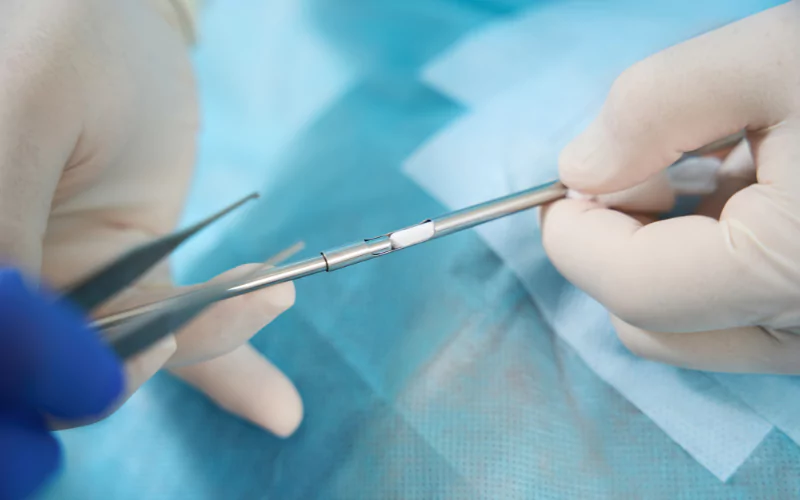
- Pellet Therapy: Pellet therapy involves inserting small pellets under the skin, which release hormones steadily over 3 to 5 months. While effective and convenient, this option is more costly, ranging from $195 to $350 per insertion. Pellet therapy is typically priced per insertion rather than monthly, so the cost may be higher upfront but spread out over several months.
Factors Influencing the Bioidentical Hormone Therapy Cost
The overall bioidentical hormone therapy cost is influenced by several factors, which can lead to variations in pricing from patient to patient. Understanding these factors can help you better anticipate your expenses and decide whether this therapy fits your budget. Below are some key elements that affect the cost of bioidentical hormone therapy:
- Type and Dosage of Hormones
The specific hormones prescribed and the dosage required to address your unique hormonal imbalance will play a significant role in determining your treatment costs. For instance, individuals needing a combination of estrogen, progesterone, testosterone, or thyroid hormones might incur higher bioidentical hormone therapy costs due to the need for custom-compounded prescriptions. Higher doses or more complex formulations also generally come with a greater price tag.
- Method of Hormone Delivery
As discussed, the method by which bioidentical hormones are delivered can greatly impact the overall cost. Options like creams, gels, pills, and patches tend to be less expensive on a monthly basis, while pellet therapy, though more convenient due to its long-lasting effects, comes with a higher upfront cost.
Patients who prefer more frequent, smaller payments may opt for creams or pills, while those seeking fewer treatments over the year may lean toward pellet therapy despite the higher initial expense.
- Provider’s Expertise and Fees
Another factor influencing bioidentical hormone therapy cost is the expertise of the healthcare provider administering the treatment. Providers with specialized experience in hormone therapy often charge more for consultations and follow-ups. While this may increase the overall cost of treatment, working with a highly qualified provider can offer better outcomes, as they are better equipped to customize and adjust your therapy based on your individual needs.
- Frequency of Follow-Up Visits
Bioidentical hormone therapy typically requires regular monitoring and follow-up visits to adjust dosages and evaluate progress. The frequency and number of these appointments can add to the cost of treatment. While some patients may only need a few follow-ups per year, others may require more frequent visits, particularly during the early stages of therapy when dosages are still being fine-tuned.
- Laboratory Testing
Prior to starting BHT and periodically throughout your treatment, your provider will order blood or saliva tests to assess your hormone levels. These tests are essential for determining the proper dosage and ensuring that your hormone levels remain balanced over time.
The cost of lab work varies but is a necessary component of the overall bioidentical hormone therapy cost. Insurance may cover some of the testing, but out-of-pocket expenses are common, especially for specialized hormone panels.
- Geographical Location
Your location can also influence the cost. Bioidentical hormone therapy costs tend to be higher in larger metropolitan areas or regions with a high cost of living, where healthcare services are generally more expensive. Conversely, patients in smaller towns or rural areas may find the treatment more affordable. Additionally, some patients may need to travel for care if specialized providers are not available locally, adding to the overall cost.
Frequently Asked Questions
Are there any risks with bioidentical hormone therapy?
Yes, while bioidentical hormone therapy is generally considered safe, some individuals may experience side effects such as bloating, mood swings, fatigue, or headaches, especially during the initial adjustment period. It’s important to collaborate closely with your healthcare provider to keep track of your symptoms and adjust your dosage as needed. Serious risks are rare but can include blood clots, stroke, or breast cancer, particularly when hormones are not properly balanced.
What happens if I stop bioidentical hormone therapy?
If you stop bioidentical hormone therapy, your hormone levels will slowly return to their pretreatment state, and the symptoms of hormone imbalance may reappear. It’s important to discuss any decision to stop therapy with your healthcare provider to manage symptoms effectively.
Is bioidentical hormone therapy covered by insurance?
Coverage for bioidentical hormone therapy varies depending on your insurance provider and plan. Some insurance policies may cover parts of the treatment, such as consultations and lab tests, but compounded bioidentical hormones themselves are often not covered because they are not FDA-approved. It’s essential to check with your insurance provider to understand what aspects of the therapy will be covered and what expenses you may need to pay out of pocket.
The Bottom Line
When considering the bioidentical hormone therapy cost, weigh the financial investment against the potential benefits for your overall well-being. For many individuals, the relief from hormone-related symptoms makes the investment worthwhile, as it can lead to significant improvements in quality of life.
To find out if bioidentical hormone therapy is the right choice for you and explore personalized treatment options, reach out to Anti-Aging & Ketamine Center. Our team offers expert care and support to help you restore hormonal balance and enhance your health. Contact us now!
⬇️ Get Directions to the Leading Anti Aging Clinic in Bradenton for Health and Wellness ⬇️