

Key Takeaways
- PRP hair treatment is a natural and low-risk procedure that uses your own blood to promote hair growth with minimal downtime.
- Mild PRP hair treatment side effects, such as redness, tenderness, or slight swelling, are normal and usually go away within a day or two.
- Unusual symptoms like severe pain, prolonged redness, or signs of infection should be checked by your provider.
- Choosing an experienced provider in Bradenton ensures safe treatment and the best possible outcome for your PRP hair restoration.
If you’re considering platelet-rich plasma (PRP) therapy for hair loss, it’s natural to have questions about what to expect, especially when it comes to side effects. Understanding the difference between a normal PRP hair treatment side effect and something that may need attention can help you feel more confident before and after your sessions.
Many people in Bradenton and surrounding areas choose PRP because it’s a natural option for stimulating hair growth. While it’s generally safe, it’s still helpful to know how your scalp might react, what signs are part of the healing process, and when to check in with a med spa in Bradenton. In this blog post, we’ll break down what the normal PRP hair treatment side effects are, what’s not, and how to care for your scalp so you get the best results from your treatment.
What Is PRP Hair Treatment?
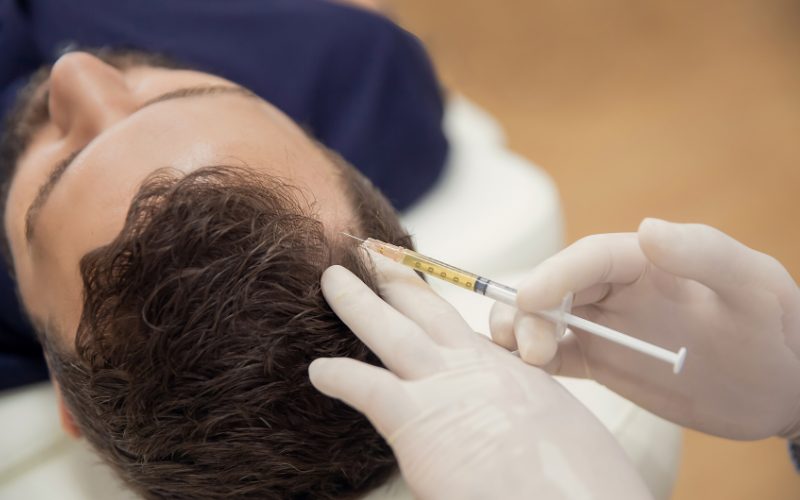
PRP stands for platelet-rich plasma, a treatment that uses your own blood to help stimulate hair growth. During the procedure, between 10 to 60 milliliters (mL) of your blood is drawn, which is about the same amount taken for a simple lab test. The blood is then placed in a special machine that spins it at high speed to separate the plasma rich in platelets. These platelets contain powerful growth factors, which are then injected into your scalp to help wake up hair follicles and encourage new growth.
PRP hair treatment is often chosen by people with thinning hair or early signs of hair loss. It’s non-surgical, minimally invasive, and usually takes less than an hour. Many patients say the treatment feels like small pinches or light pressure. Since it uses your body’s own cells, there’s little risk of a strong reaction, though some mild PRP hair treatment side effect responses are normal and expected.
Common PRP Hair Treatment Side Effects You Can Expect
After a PRP hair restoration treatment session, it’s completely normal to notice a few mild side effects as your scalp begins to heal and respond to the treatment. These effects are usually short-lived and are part of the body’s natural healing process. Most Bradenton residents find them easy to manage, and they often go away within a day or two.
Here are some common PRP hair treatment side effects you may notice:
- Mild swelling around the treated area, especially near the injection sites.
- Redness or tenderness on the scalp, which usually fades within 24 to 48 hours.
- Soreness or sensitivity when touching your scalp, similar to how it feels after a tight hairstyle or light sunburn.
- Itching as the skin starts to heal, especially if the scalp is dry.
- Slight bruising in some spots, depending on your skin sensitivity or how your body reacts to the injections.
- Feeling of pressure or a mild headache, which usually passes quickly.
These effects are typically no cause for concern and can often be managed with gentle care, rest, and avoiding harsh hair products right after treatment.
Unusual PRP Hair Treatment Side Effects to Watch for
PRP hair treatment is considered very safe because it uses your own blood, which means allergic reactions or major complications are extremely rare. Still, like any medical procedure, there’s a small chance of side effects that go beyond mild redness or soreness. Knowing what to look for helps you act quickly if something doesn’t seem right.
Here are a few unusual PRP hair treatment side effects that should be checked by your provider:
- Severe swelling or pain: Mild soreness is common, but strong pain or swelling that gets worse instead of better may signal irritation or infection.
- Prolonged redness or warmth: If your scalp stays red and warm for several days, it could mean your body is reacting too strongly.
- Infection at the injection site: Signs include pus, tenderness, or fever, which are not normal and require prompt care.
- Dizziness or nausea: Feeling lightheaded during or after treatment can happen occasionally but should not last long.
- Itching or rash: Some people may notice mild itching, but a spreading rash should be checked right away.
- Headache or pressure: Short-term discomfort is common, but headaches that persist could mean your scalp is too inflamed.
These side effects are rare, but it’s important to contact your provider if you experience any of them. Quick care ensures your scalp heals properly and keeps your results on track.
How to Care for Your Scalp After PRP Hair Treatment
Taking good care of your scalp after PRP can help reduce discomfort, speed up healing, and support healthy hair growth. While the procedure is simple and has little downtime, following a few basic steps after your appointment can make a big difference in your results.
Here’s how to care for your scalp and reduce the chance of any PRP hair treatment side effects:
- Avoid touching or rubbing your scalp for at least 8 hours after treatment to prevent irritation.
- Do not wash your hair for the first 24 hours. This gives your scalp time to settle and absorb the PRP.
- Stay away from heat and sweat; avoid saunas, hot showers, and intense workouts for at least a day.
- Skip hair products such as gels, sprays, or dyes for at least 48 hours after treatment.
- Avoid alcohol and smoking, as both can affect healing and lessen the effectiveness of the treatment.
- Wash your hair with a gentle shampoo and carefully pat your scalp dry instead of rubbing.
- Shield your scalp from sun exposure by wearing a hat or staying in shaded areas when outdoors.
These easy steps can help you feel more comfortable and protect your scalp while the PRP works to boost hair growth.
Frequently Asked Questions
Can the side effects get worse over time?
No, PRP hair treatment side effects usually do not get worse over time. Most people experience only mild effects like slight swelling or tenderness, and these often lessen with each session as your scalp gets used to the treatment. Serious or long-lasting side effects are rare, especially when the procedure is done by an experienced provider.
Does PRP treatment leave scars or marks?
PRP uses very fine needles, so it does not leave any permanent scars or marks on your scalp. You might notice tiny red spots or mild bruising at the injection sites, but these fade quickly.
Is PRP hair treatment safe for men and women?
Yes, PRP hair treatment is safe and effective for both men and women. It’s commonly used to treat hair thinning caused by genetics, hormones, or aging. Your provider will check your health history to make sure PRP is the right fit for you.
The Bottom Line
PRP hair treatment is a safe and natural option for people in Bradenton dealing with thinning hair or early hair loss. While most side effects are mild and short-lived, it’s helpful to know what’s normal and what to watch out for. Being informed, following proper scalp care, and choosing a skilled provider are the best ways to reduce the risk of any PRP hair treatment side effects and get the results you’re looking for.
If you’re thinking about starting PRP in Bradenton or want to learn more, the team at Anti Aging & Ketamine Center is here to help. We offer expert care, personalized treatment plans, and a comfortable environment for your hair restoration journey. Get in touch with us to schedule a consultation or get your questions answered today!
