

Are you wondering how to achieve medical weight loss safely and sustainably? One of the major health issues affecting millions of people in the United States is obesity. Being overweight is a serious concern that is more difficult to address than some diet food and weight reduction guides would have you believe. The majority of diets and methods can actually be harmful to your health. Starting a weight loss treatment requires careful evaluation, or else your health can wind up getting worse.
In this post, we’ll discuss how a medical weight loss program can help you reduce weight safely and the benefits this innovative therapy can offer you.
What Does Safe and Sustainable Medical Weight Loss Mean
Safe and sustainable medical weight loss prioritizes health and well-being, focusing on gradual progress, personalized care, and long-term success. To achieve medical weight loss, a multidisciplinary approach that addresses both the physical and psychological aspects of weight management, with the goal of improving overall quality of life, is important.
- Health Monitoring —- Before starting any weight loss program, individuals undergo a thorough health assessment to identify any underlying medical conditions that may affect their weight loss journey. This may include blood tests, physical examinations, and assessments of current health status.
- Personalized Plans —- Medical weight loss plans are tailored to each individual’s unique needs, taking into account factors such as age, gender, medical history, current medications, lifestyle, and dietary preferences. This personalized approach ensures that the plan is safe and effective for the individual.
- Balanced Nutrition —- Safe and sustainable weight loss emphasizes balanced nutrition, focusing on consuming a variety of nutrient-dense foods that provide essential vitamins, minerals, and macronutrients while limiting processed foods, added sugars, and unhealthy fats. The goal is to create a calorie deficit while still meeting nutritional needs.
- Gradual Progression —- Safe and sustainable weight loss occurs gradually, typically at a rate of 1-2 pounds per week. Rapid weight loss can be unhealthy and unsustainable, leading to muscle loss, nutrient deficiencies, and other health complications.
- Behavioral Changes —- In addition to diet and exercise, medical weight loss programs often incorporate behavioral strategies to help individuals develop healthy habits and address underlying psychological factors that contribute to weight gain. This may include stress management techniques, mindful eating practices, and strategies for overcoming emotional eating.
How Does Medical Weight Loss Treatment Help
When it comes to the best way to achieve medical weight loss safely and effectively, there are various strategies to help individuals reduce weight under the supervision of healthcare professionals. By combining evidence-based strategies with medical supervision, these programs help individuals safely achieve and maintain their weight loss goals.
Here are some ways medical weight loss can aid in weight reduction:
- Nutrition Counseling —- Medical weight loss programs often include guidance from registered dietitians or nutritionists who provide personalized nutrition counseling. This may involve creating a balanced meal plan that emphasizes nutrient-dense foods, portion control, and mindful eating practices to support weight loss goals.
- Behavioral Therapy —- Addressing behavioral factors that contribute to weight gain is an essential component of medical weight loss programs. Behavioral therapy techniques, such as cognitive-behavioral therapy (CBT), help individuals identify and change unhealthy habits, manage emotional eating, improve self-esteem, and develop coping strategies for dealing with stress and triggers.
- Physical Activity Recommendations —- Healthcare professionals may prescribe tailored exercise plans based on an individual’s fitness level, preferences, and any physical limitations. Regular physical activity not only helps burn calories but also improves cardiovascular health, muscle strength, and overall well-being.
- Regular Monitoring and Support —- Throughout the weight loss journey, individuals receive ongoing monitoring and support from healthcare professionals, including regular check-ins, progress assessments, and adjustments to the treatment plan as needed. This helps ensure that individuals stay on track and can address any challenges or barriers to weight loss effectively.
Medical Weight Loss Benefits
Medical weight loss programs provide personalized plans tailored to each individual’s unique needs, considering factors such as medical history, metabolism, lifestyle, and dietary preferences.
- Evidence-Based Strategies —- Medical weight loss programs incorporate evidence-based strategies backed by scientific research, ensuring that interventions are effective and based on the latest medical knowledge.
- Medical Conditions Management —- Participants with obesity-related medical conditions, such as diabetes, hypertension, or high cholesterol, may experience improvements or better management of their conditions through weight loss.
- Increased Energy and Vitality —- Losing excess weight can lead to increased energy levels, improved mood, and enhanced overall well-being, allowing individuals to engage more fully in daily activities and enjoy a higher quality of life.
- Reduced Risk of Chronic Diseases —- Weight loss achieved through medical programs can lower the risk of developing chronic diseases associated with obesity, such as type 2 diabetes, heart disease, stroke, and certain types of cancer.
- Improved Self-Confidence —- Achieving weight loss goals and improving health outcomes can boost self-esteem and self-confidence, empowering individuals to make positive changes in other areas of their lives.
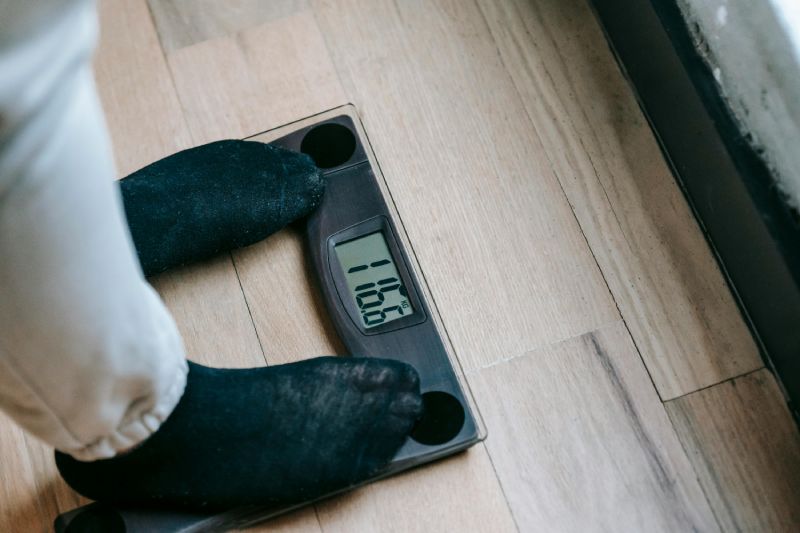
achieve medical weight loss, Bradenton medical weight loss, medical weight loss program, effective medical weight loss, health and wellness services, Anti Aging
Frequently Asked Questions
Who is a candidate for a medical weight loss program?
Candidates for medical weight loss programs typically include individuals who are overweight or obese and may have obesity-related health conditions such as type 2 diabetes, hypertension, or high cholesterol. These programs are suitable for individuals seeking professional guidance, support, and accountability in their weight loss journey.
What can I expect during a medical weight loss program?
During a medical weight loss program, participants can expect to undergo a comprehensive health assessment, including a medical history review, physical examination, and laboratory tests. Based on the assessment, healthcare professionals will develop a personalized treatment plan that may include dietary modifications, exercise recommendations, behavioral therapy, medication (if appropriate), and regular monitoring and support.
How much weight can I expect to lose with a medical weight loss program?
The amount of weight loss achieved with a medical program varies depending on individual factors such as starting weight, metabolic rate, adherence to the treatment plan, and underlying health conditions. Typically, participants can expect to lose 1-2 pounds per week, which is considered a safe and sustainable rate of weight loss.
Are medical weight loss programs covered by insurance?
Coverage for medical weight loss programs varies depending on individual insurance plans and the specific services provided. Some insurance plans may cover certain aspects of medical weight loss, such as physician visits, laboratory tests, or counseling sessions, especially if weight loss is medically necessary to manage obesity-related health conditions. It’s recommended to check with your insurance provider to understand your coverage options.
Conclusion
At Anti Aging and Ketamine Center, we are committed to assisting patients and their families in regaining their health. With our experience, we can provide you with the knowledge and resources you need to reach your weight loss objectives. We are here to support you every step of the way, whether you require hormone replacement therapy or assistance with medical weight loss. Contact us today.