
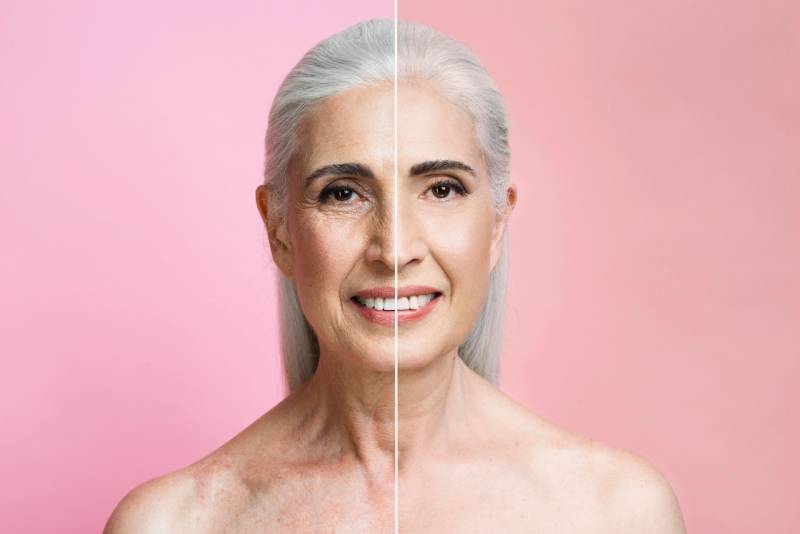
Two non-surgical treatments have risen to prominence: Morpheus8 and Ultherapy. Both procedures offer a non-invasive approach to skin tightening and rejuvenation but utilize different technologies and mechanisms to achieve these results. Understanding the differences between Morpheus8 skin tightening and Ultherapy can help you make an informed decision about which treatment is best suited to your skin concerns and goals. In this comprehensive blog, we will explore the key differences between these two innovative treatments.
What Is Morpheus8 Skin Tightening?
Morpheus8 skin tightening is an advanced, non-surgical procedure integrating microneedling with radiofrequency (RF) energy to reshape and refine the contours of both the face and body. This innovative technique penetrates deep into the skin and fat to rejuvenate and rebuild collagen. Through the creation of minuscule punctures in the skin, the microneedles initiate the body’s innate healing response, while the RF energy warms the underlying layers, fostering collagen generation and skin firmness.
Morpheus8 is particularly effective for those looking to address textural skin issues, such as acne scars, as well as tighten loose skin. It can be applied to various areas, including the face, neck, abdomen, and thighs.
What Is Ultherapy?
Ultherapy, on the other hand, is a non-invasive procedure that uses focused ultrasound energy to reach the deeper skin layers, particularly targeting the SMAS layer (Superficial Muscular Aponeurotic System), which corresponds to the layer tightened in a conventional facelift procedure. The ultrasound energy stimulates collagen and elastin production, which leads to a natural lifting and tightening of the skin over time. Ultherapy is ideal for patients seeking a non-invasive lift for sagging skin, particularly around the eyebrows, neck, chin, and chest.
Key Differences Between Morpheus8 Skin Tightening and Ultherapy
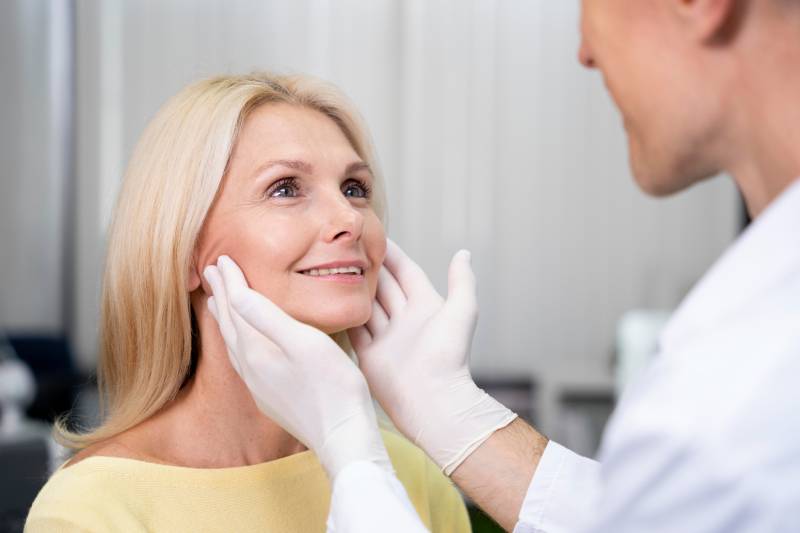
morpheus8 skin tightening, morpheus8 skin treatment, Morpheus8 RF microneedling, radiofrequency, Anti Aging
Morpheus8 skin tightening and Ultherapy are both popular non-surgical treatments used in aesthetic medicine, but they employ different technologies and target different concerns. Here are some key differences between them:
Technology
Morpheus8 harnesses the power of microneedling combined with RF energy. This innovative approach allows for simultaneous treatment of both superficial and deeper skin layers. Microneedles create controlled micro-injuries, prompting the skin’s natural healing response, while RF energy heats the underlying tissue, stimulating collagen production and tightening.
In contrast, Ultherapy relies solely on focused ultrasound energy to penetrate deep into the skin, specifically targeting the SMAS layer. This focused energy stimulates collagen and elastin production, resulting in a lifting and tightening effect without disrupting the skin’s surface.
Depth of Treatment
Morpheus8 skin tightening offers versatility in targeting various depths within the skin. This versatility enables tailored treatments to address individual concerns, ranging from superficial issues like fine lines and texture to deeper concerns such as sagging skin and acne scars.
On the other hand, Ultherapy concentrates on the deeper skin layers, reaching the SMAS layer to provide significant lifting and tightening effects. While Ultherapy may also improve skin texture, its primary goal is lifting and firming.
Target Areas
Morpheus8 stands out for its versatility in treating different areas of the face and body. It can effectively address concerns on the forehead, cheeks, jawline, neck, abdomen, and thighs, which makes it suitable for individuals with multiple skin concerns across various regions. Conversely, Ultherapy is commonly used to target specific areas prone to sagging, such as the brows, neck, chin, and chest. It is particularly favored by individuals seeking a non-invasive alternative to traditional facelifts or neck lifts.
Treatment Experience
Morpheus8 skin tightening typically involves a series of treatments scheduled several weeks apart for optimal results. While discomfort during the procedure is minimal, some patients may experience mild redness and swelling afterward, which usually subsides within a few days. On the other hand, Ultherapy may cause mild discomfort during the treatment, often described as sensations of heat and tingling. However, discomfort is generally tolerable, and there is little to no downtime associated with the procedure.
Results and Maintenance
Morpheus8 delivers gradual and progressive results, with noticeable improvements in skin texture and tightness occurring over several weeks to months as collagen production continues. Maintenance treatments may be advised to sustain results in the long term.
In contrast, Ultherapy provides noticeable lifting and tightening effects in the months following treatment, with results lasting up to a year or more. While some patients may opt for periodic touch-up sessions, the longevity of results can vary depending on individual aging and lifestyle factors.
Frequently Asked Questions
Can I combine Morpheus8 skin tightening and Ultherapy?
Yes, you can combine Morpheus8 and Ultherapy for more comprehensive skin tightening and rejuvenation. Morpheus8 works on the surface and deeper layers of the skin with microneedling and radiofrequency, while Ultherapy targets deeper tissues for lifting and tightening. It’s vital to consult with a qualified provider to ensure they are suitable for your skin.
How long does the Morpheus8 procedure take?
The duration of the Morpheus8 procedure depends on the size and number of areas being treated. On average, a single session typically takes about 20 to 60 minutes to complete. This makes Morpheus8 an ideal option for those with busy lifestyles, as it offers effective results with minimal downtime.
Can Morpheus8 be used on all skin types?
Yes, Morpheus8 is safe for use on all skin types, including darker skin tones. This is because it utilizes radiofrequency energy, which is less dependent on melanin in the skin, reducing the risk of pigmentation changes or other adverse reactions commonly associated with other treatments. However, it’s essential to consult with a qualified provider to ensure that Morpheus8 is the right treatment for your individual skin concerns and needs.
Conclusion
Both Morpheus8 and Ultherapy offer effective solutions for skin tightening and rejuvenation without surgical intervention. Morpheus8 skin tightening is a great option for those who want to improve their skin without surgery. It uses microneedling and radiofrequency to address various skin issues like wrinkles and sagging. Deciding between Morpheus8 and Ultherapy depends on your skin concerns and how much discomfort you can handle during treatment.
For personalized guidance, consult with a professional. At the Anti Aging & Ketamine Center, we specialize in Morpheus8 skin tightening and can help you get the results you want. Contact us today to learn more or book an appointment.