
We’ve all heard about those miracle diets that promise rapid results, but after talking with clients who have tried them, we know that quick fixes rarely last. The most successful weight loss plans strike a balance between achieving fast results and maintaining overall health. Unfortunately, most diet plans that truly work require patience, as they are often long-term solutions that focus on steady progress rather than drastic, short-term changes. However, that doesn’t mean you can’t achieve noticeable results in a relatively short time, especially if you choose a plan that is both effective and healthy.
Based on our consultations with clients, we’ve found that those who succeed in their weight loss goals are the ones who choose diets that are easy to follow and sustainable in the long run, without compromising their well-being. For some, integrating medical weight loss approaches under the guidance of qualified healthcare professionals can offer additional support to ensure their health remains a priority throughout the process.
In this guide, we’ll walk you through 10 of the most effective diet plans that not only promise fast results but also prioritize your overall health
Is There Such a Thing as Fast and Healthy Weight Loss?
Fast weight loss is possible, but it’s often achieved through unhealthy methods that are unsustainable in the long run. To lose weight effectively and safely, it’s crucial to understand that weight loss depends on several factors, including the calories you consume versus what you burn, your body composition, your lifestyle, and your overall health conditions. Approaching weight loss with a balanced mindset—focusing on proper nutrition, portion control, and consistency—can help you shed pounds without compromising your health.
To answer the question, yes, fast and healthy weight loss is possible as long as you’re not losing weight too quickly. What do we mean by that? Well, in general, 1 kg per week or 4 kg a month is considered a safe and sustainable rate of weight loss. Losing weight faster than this usually results in the loss of muscle mass or water weight rather than fat, which isn’t ideal for long-term health or maintaining your results.
More importantly, rapid weight loss through extreme diets or deprivation can lead to nutritional deficiencies, a slower metabolism, and even weight regain once you return to normal eating habits.
10 Diet Plans for Fast and Healthy Weight Loss
Before starting diet plans, it’s important to remember that everyone’s body responds differently. Consulting with your doctor is highly recommended, especially if you have underlying health conditions. They can ensure the diet you choose is safe and tailored to your specific needs, helping you achieve the best results. Now, let’s explore 10 effective diet plans that promote fast and healthy weight loss.
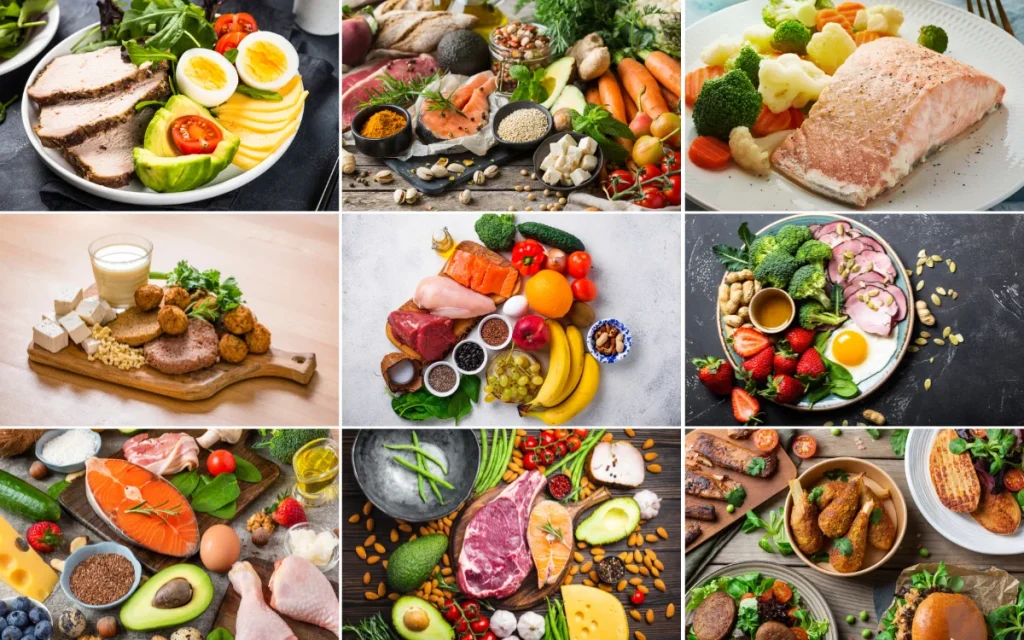
1. The Mediterranean Diet
The Mediterranean diet is praised for its heart-healthy benefits and sustainable approach to weight loss. It emphasizes eating whole foods like fresh fruits, vegetables, whole grains, legumes, lean proteins (particularly fish and poultry), and healthy fats from olive oil and nuts. This diet allows for moderate portions of dairy and red wine, making it both flexible and enjoyable. Weight loss comes from the high fiber, healthy fats, and lean proteins that keep you satisfied without overeating. Plus, it’s easy to follow long-term, making it one of the most sustainable options for healthy weight loss.
2. The Low-Carb Diet
A low-carb diet reduces your intake of carbohydrates—particularly refined carbs like sugars, white bread, and pasta—while increasing your intake of healthy fats and proteins. By cutting out excess carbs, your body turns to stored fat for energy, which leads to rapid weight loss, especially in the initial stages. The key is focusing on nutrient-dense foods like leafy greens, non-starchy vegetables, and proteins such as eggs, fish, and lean meats. This diet can be highly effective, but it’s important to ensure you’re still getting enough fiber and essential nutrients to maintain a balanced diet.
3. The Ketogenic Diet (Keto)
The keto diet is a low-carb, high-fat diet designed to put your body into ketosis, which is a metabolic state where fat becomes the main energy source instead of carbohydrates. Keeping your body in this state leads to significant weight loss, particularly in the early stages. The diet involves consuming foods like fatty cuts of meat, cheese, butter, eggs, nuts, and oils while minimizing carbs like bread, pasta, and sugars. While keto can deliver fast results, it’s essential to monitor your intake of fats to ensure they come from healthy sources and to maintain nutritional balance to avoid side effects like nutrient deficiencies.
4. The DASH Diet
Originally developed to help manage high blood pressure, the DASH (Dietary Approaches to Stop Hypertension) diet also promotes weight loss by emphasizing whole, unprocessed foods. It’s rich in fruits, vegetables, whole grains, lean proteins like poultry and fish, and low-fat dairy. DASH limits foods high in saturated fats, sugar, and sodium, which can help reduce calorie intake while still providing essential nutrients. Because it focuses on portion control and nutrient-dense foods, it’s a great option for steady, healthy weight loss over time, while also supporting overall cardiovascular health.
5. Intermittent Fasting
Intermittent fasting (IF) isn’t really a diet plan but more of an eating pattern that encourages you to eat mindfully. It is less about what you eat and more about when you eat. It involves cycling between periods of fasting (no-eating period) and feasting (eating period), which can help reduce overall calorie intake and boost fat burning. Popular methods include the 16:8 approach (16 hours of fasting with an 8-hour feasting window) or the 5:2 method (eating normally for 5 days and significantly reducing calories for 2 days).
Keep in mind that IF won’t work if you’re overeating during your eating windows. One of the key principles of intermittent fasting is creating a calorie deficit, and that’s only possible if your meals are balanced and nutritious rather than calorie-dense and high in processed foods. The beauty of intermittent fasting is that it helps you become more mindful of your eating habits, giving your body time to digest and burn fat during fasting periods while still allowing for flexibility during eating windows.
6. The Paleo Diet
The Paleo diet is one of the diet plans that are getting more popular as it encourages eating like our ancestors did, focusing on whole, unprocessed foods like fish, lean meats, vegetables, fruits, nuts, and seeds, while avoiding grains, legumes, dairy, and processed foods. This approach can result in quick weight loss as it cuts out many calorie-dense, nutrient-poor foods. It also emphasizes high-quality proteins and healthy fats, which keep you feeling full and satisfied. While it can be effective, the exclusion of entire food groups requires careful planning to ensure you’re getting all the necessary nutrients for long-term health.
7. The Plant-Based Diet
A plant-based diet focuses primarily on foods derived from plants—fruits, vegetables, whole grains, legumes, nuts, and seeds—while minimizing or eliminating animal products. It’s naturally high in fiber, vitamins, and antioxidants, which can promote weight loss by keeping you full and satisfied with fewer calories. Many people experience fast weight loss on a plant-based diet due to its focus on nutrient-dense, lower-calorie foods. However, it’s important to plan meals carefully to make sure you’re getting enough protein and other essential nutrients like iron and B12, especially if you’re going fully vegan.
8. The Whole30 Diet
The Whole30 diet is a 30-day elimination plan that cuts out sugar, alcohol, grains, dairy, legumes, and processed foods, focusing instead on whole, unprocessed foods like vegetables, fruits, meats, seafood, and healthy fats. This diet is designed to help you reset your eating habits by eliminating potentially inflammatory foods. Many people experience fast weight loss during the 30 days, as they cut out high-calorie, low-nutrient foods. However, the restrictive nature of the diet makes it important to plan meals carefully to ensure you’re getting a balanced diet during and after the 30-day period.
9. The Atkins Diet
The Atkins diet is a low-carb diet similar to keto but with more flexibility as you progress through its phases. It starts with a strict limit on carbohydrates to kick-start fat burning and rapid weight loss. As you lose weight, you gradually reintroduce more carbs into your diet, but the focus remains on low-carb, high-protein, and healthy fat foods. This structured approach helps you achieve quick results in the early stages while providing a long-term plan to maintain weight loss. Like other low-carb diets, it’s essential to focus on nutrient-rich foods to avoid potential nutrient deficiencies.
10. The Flexitarian Diet
The flexitarian diet combines the benefits of a plant-based diet with the flexibility of incorporating meat and animal products in moderation. This approach allows you to enjoy the health benefits of eating more fruits, vegetables, and whole grains while still occasionally including lean meats and other animal proteins. It’s not as restrictive as full vegetarian or vegan diets, making it easier to follow for many people. The diet promotes gradual, healthy weight loss by focusing on plant-based meals while giving you the freedom to adjust based on your needs and preferences.
Frequently Asked Questions
How do I know which diet plans are right for me?
The best diet plan for you will depend on your personal goals, lifestyle, and any health conditions you may have. It’s always a good idea to consult with a healthcare professional to help choose a plan that aligns with your needs and ensures your nutritional intake is balanced.
Can I combine different diet plans?
Yes, many people find success by combining elements from different diet plans, like pairing intermittent fasting with the Mediterranean diet. The key is to ensure that your combination still promotes a balanced and sustainable approach to nutrition.
What are the most common challenges people face when starting a new diet?
Common challenges include adjusting to new eating habits, dealing with cravings, and finding the right balance between portion control and satiety. Staying consistent and mindful during the first few weeks can help overcome these hurdles.
The Bottom Line
Fast and healthy weight loss is achievable when approached with balance, proper nutrition, and consistency. The key is choosing a diet plan that suits your lifestyle and health goals while ensuring long-term sustainability. If conventional diet plans aren’t working for you, it may be time to consider medical weight loss. At the Anti Aging & Ketamine Center, we offer personalized weight loss programs designed to help you achieve sustainable results under medical supervision. Contact us today to get started!
⬇️ Get Directions to the Leading Anti Aging Clinic in Bradenton for Health and Wellness ⬇️