

Key Takeaways
- Curious how long do peptides take to work? Most notice early improvements within 2–4 weeks, fuller results by 2–3 months, and peak benefits around 6 months.
- Peptides can support fat loss, skin rejuvenation, improved sleep, mood, energy, and immune strength.
- Results depend on factors like age, health status, lifestyle habits, consistency, and the type of peptide used.
- Working with a trusted provider ensures safe dosing, tailored plans, and better long-term outcomes.
- Patience and commitment are essential—peptides are not a quick fix but a long-term wellness solution.
If you’ve been wondering how long do peptides take to work, you’re not alone. Many people start peptide therapy hoping for quick results—more energy, better sleep, or fat loss—but aren’t sure what to expect. While peptides are powerful tools in wellness and anti-aging care, they work gradually by supporting your body’s natural healing and regulatory systems.
At the Anti Aging and Ketamine Center in Bradenton, FL, we help patients understand that peptide therapy is not an overnight fix. It’s a personalized process that depends on your goals, current health, and consistency. In this blog, we’ll explore what peptides can help with, realistic timelines for improvement, and the key factors that influence how fast you’ll see results.
What Conditions or Goals Can Peptides Help With?
Peptide therapy has become a trusted tool in functional and regenerative medicine because of its ability to support a wide range of wellness goals. At our Bradenton clinic, we see patients benefit from peptides in the following ways:
- Fat Loss & Metabolism Boost – Certain peptides stimulate growth hormone, helping the body burn fat and preserve lean muscle.
- Improved Energy & Stamina – By supporting mitochondrial function, peptides help reduce fatigue and increase endurance.
- Better Sleep Quality – Sleep-regulating peptides can enhance deep, restful sleep and improve overall recovery.
- Healthier, Youthful-Looking Skin – Peptides that trigger collagen production can reduce fine lines and improve skin texture.
- Increased Libido & Sexual Wellness – Some peptides support hormone balance and blood flow, improving desire and performance.
- Enhanced Mental Clarity & Mood – Cognitive peptides may improve focus, memory, and emotional balance.
- Muscle Growth & Post-Workout Recovery – Athletes use peptides to promote muscle repair and reduce soreness after exercise.
- Stronger Immune System – Immune-modulating peptides help the body defend against illness and recover faster.
How Long Do Peptides Take to Work?
Peptides work with your body’s natural systems, so the timeline for results can vary depending on your specific health goals, the type of peptide used, and your overall lifestyle. Here’s a general breakdown of what you can expect:
Within 1–2 Weeks
- Improved sleep quality
- Subtle increases in energy and mental clarity
- Enhanced mood and reduced anxiety for some individuals
Within 4–6 Weeks
- Noticeable changes in workout recovery and endurance
- Early signs of fat loss or muscle tone improvements
- Increased libido and improved focus
2–3 Months
- Visible skin improvements (firmer texture, fewer fine lines)
- Enhanced metabolic function and better weight control
- Greater consistency in energy and mood throughout the day
4–6 Months and Beyond
- Sustained fat loss and lean muscle gain
- Significant anti-aging effects on skin, hair, and recovery
- Long-term hormone and immune system regulation
Factors That Influence How Fast Peptides Work
The results you experience from peptide therapy depend on several personal and lifestyle factors. Understanding these can help set realistic expectations and guide you toward the most effective treatment plan possible. Here are five key elements that can affect your peptide timeline:
1. Your Age and Baseline Health
Younger individuals or those in relatively good health may respond more quickly to peptides. Older adults or those with chronic conditions might need more time for their bodies to react and repair. Your current hormone levels, metabolic rate, and immune function all influence how efficiently peptides can do their job inside your body.
2. Consistency and Dosage
Peptides need to be taken consistently to produce measurable results. Skipping doses or not following the recommended protocol can delay progress. Proper dosing, as prescribed by a qualified provider, ensures that your body receives the right signals over time to activate growth, repair, or rejuvenation processes effectively and safely.
3. Type of Peptide Used
Different peptides serve different functions — some are fast-acting, while others work gradually over time. For example, sleep-promoting peptides may deliver noticeable results within days, while fat-burning or collagen-stimulating peptides might take several weeks or months. Matching the right peptide to your goal is essential for seeing timely results.
4. Lifestyle Habits (Sleep, Diet, Stress)
Your everyday habits can speed up or slow down your progress. Poor sleep, a nutrient-deficient diet, or high stress levels can interfere with how well your body absorbs and uses peptides. On the flip side, a clean diet, regular exercise, hydration, and stress management can enhance their effectiveness and improve your overall results.
5. Medical Supervision and Personalized Care
Working with a qualified healthcare provider ensures your peptide therapy is tailored to your unique needs. Medical supervision allows for proper dosing, regular progress checks, and timely adjustments if needed. Personalized care helps you stay on track, avoid potential side effects, and achieve better results than a one-size-fits-all or DIY approach.
Frequently Asked Questions
Do peptides work for everyone?
Peptides can benefit many people, but results vary depending on age, health status, and consistency. Some individuals respond quickly, while others may need more time or adjustments. A consultation with a healthcare provider helps determine if peptides are appropriate for your goals and expectations.
How are peptides taken?
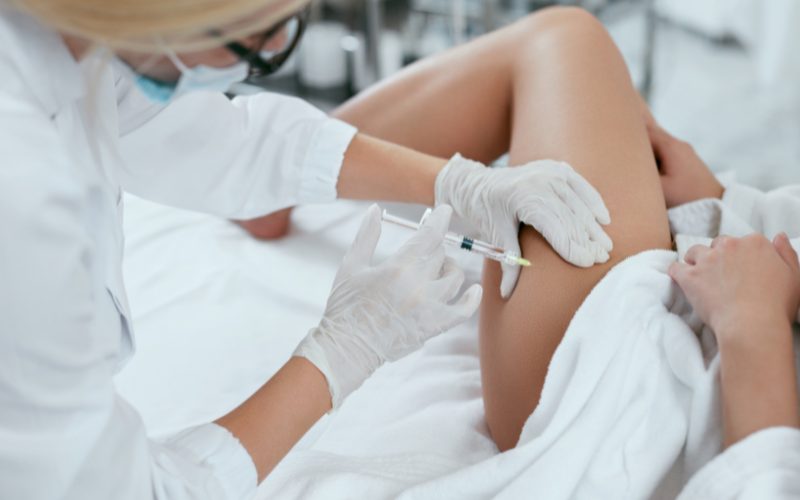
Most peptides are administered through subcutaneous injections, though some may be available in oral, topical, or nasal spray forms. Injections are small and typically painless. Your healthcare provider will guide you on the correct method, dosage, and schedule based on your specific treatment plan.
How long do peptides take to work for weight loss?
Peptides that support metabolism and fat-burning typically begin showing results within 4–6 weeks. Visible fat reduction or improved body composition may take 2–3 months. Combining peptides with proper nutrition, sleep, and movement can help accelerate and sustain your progress.
Are peptides the same as hormones or steroids?
No, peptides are not the same as steroids or synthetic hormones. Peptides are natural signaling molecules that stimulate specific processes in the body, like healing, fat metabolism, or collagen production. They support balance rather than override your body’s natural function, making them safer and more targeted.
Final Thoughts
Peptide therapy is a powerful, science-backed approach to improving energy, sleep, metabolism, skin health, and more—but the key to success is understanding that results take time. So when you ask, How long do peptides take to work, remember: your timeline depends on your body, goals, and consistency. By working closely with a trusted provider, you’ll receive a treatment plan tailored to your needs, with regular guidance and support along the way.
Ready to experience the benefits of peptide therapy for yourself? Contact us at Anti Aging & Ketamine Center in Bradenton, FL, today to schedule your personalized consultation and start your journey to renewed vitality.
