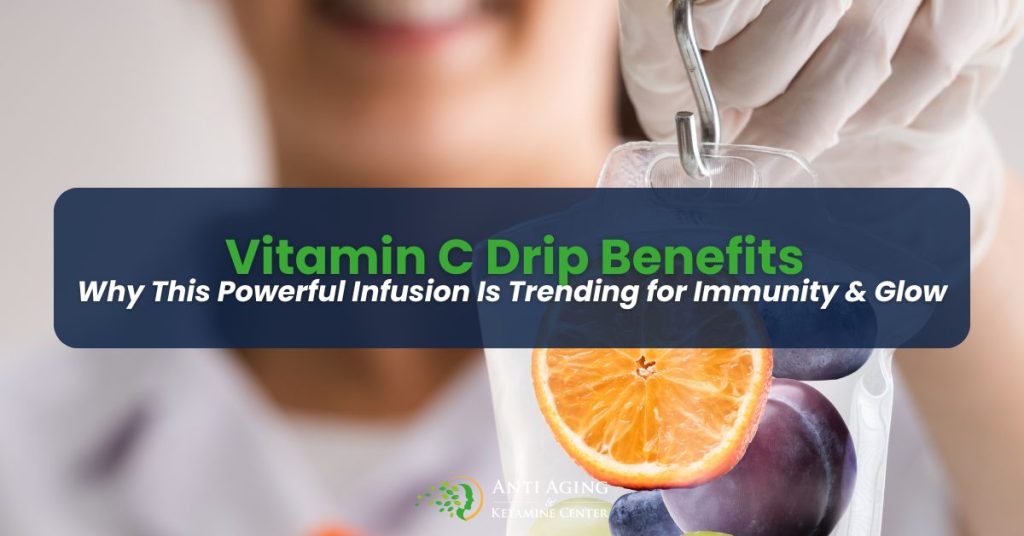
Understanding IV Therapy: How It Works
IV therapy, or intravenous therapy, involves the administration of fluids, vitamins, and minerals directly into the bloodstream. This method allows for immediate absorption of essential nutrients, bypassing the digestive system, which can often hinder nutrient uptake from oral supplements.
By using a sterile needle, healthcare professionals can deliver a tailored blend of nutrients that cater to individual health needs. This personalized approach not only maximizes the effectiveness of the therapy but also minimizes potential side effects associated with oral supplementation, making it a preferred option for many seeking rapid health benefits.
Common Ingredients in IV Therapy Solutions
IV therapy solutions often contain a variety of ingredients, including saline, electrolytes, vitamins, and antioxidants. Commonly used vitamins include Vitamin C, B-complex vitamins, and minerals such as magnesium and calcium, each serving specific health purposes.
For instance, Vitamin C is known for its immune-boosting properties, while B vitamins are essential for energy production and metabolic processes. The inclusion of antioxidants helps combat oxidative stress, contributing to overall wellness. Understanding these components can help clients make informed decisions about their IV therapy options.
Who Can Benefit from IV Therapy?
IV therapy is beneficial for a wide range of individuals, from athletes looking to enhance recovery to those suffering from chronic fatigue or dehydration. It can also be particularly advantageous for individuals with gastrointestinal disorders that impair nutrient absorption.
Moreover, those undergoing medical treatments that deplete essential nutrients, such as chemotherapy patients, may find IV therapy a valuable addition to their health regimen. By providing a quick and effective means of nutrient replenishment, it supports overall health and wellness in diverse populations.
Safety and Considerations for IV Therapy
While IV therapy is generally safe, it is essential for clients to consult with healthcare professionals before starting treatment. Factors such as pre-existing health conditions, allergies, and current medications should be discussed to ensure a safe and effective experience.
Additionally, choosing a reputable clinic with certified practitioners can significantly reduce risks associated with IV therapy, such as infections or adverse reactions. Understanding these safety considerations helps clients make informed choices about their health and wellness journeys.